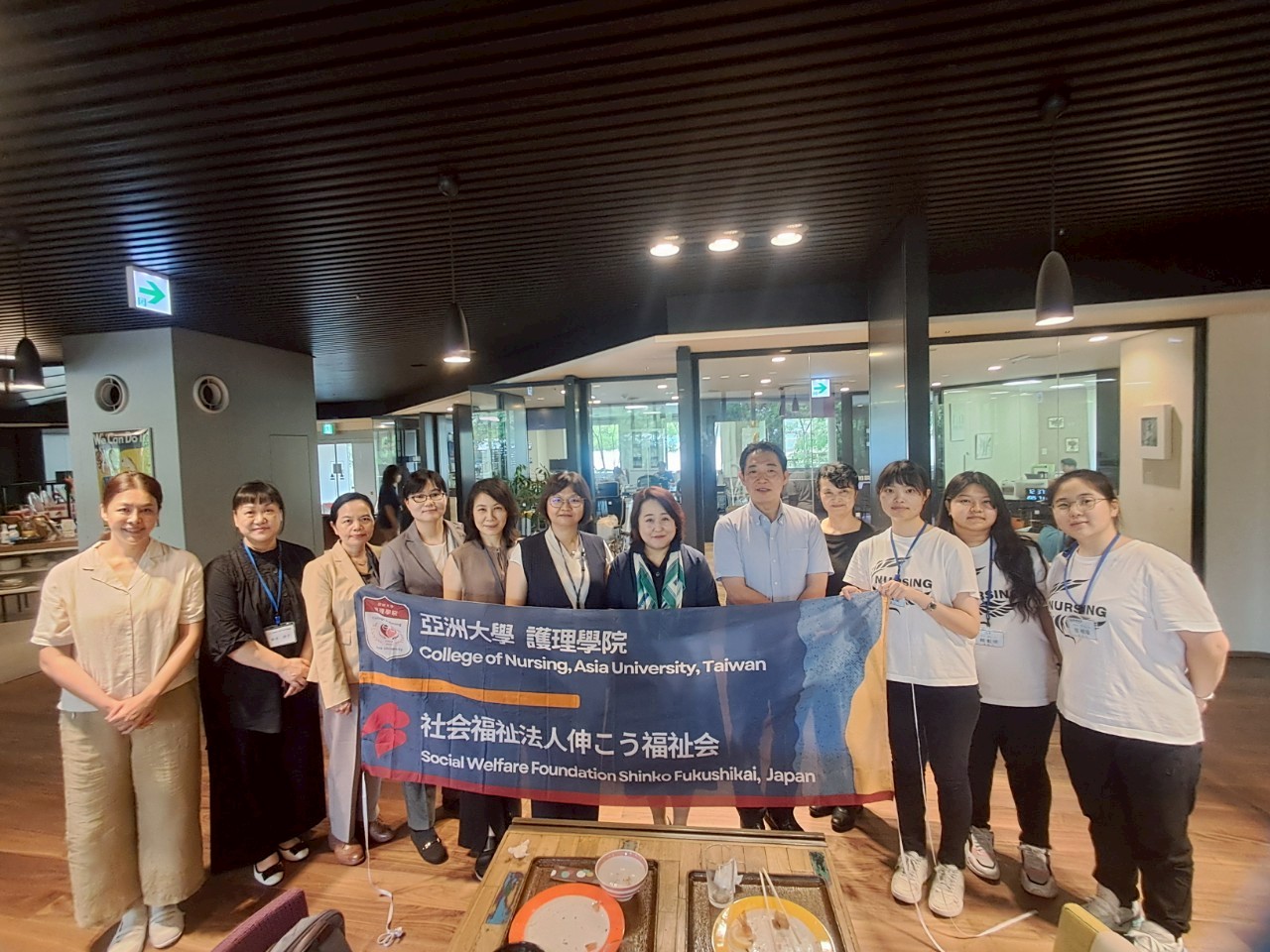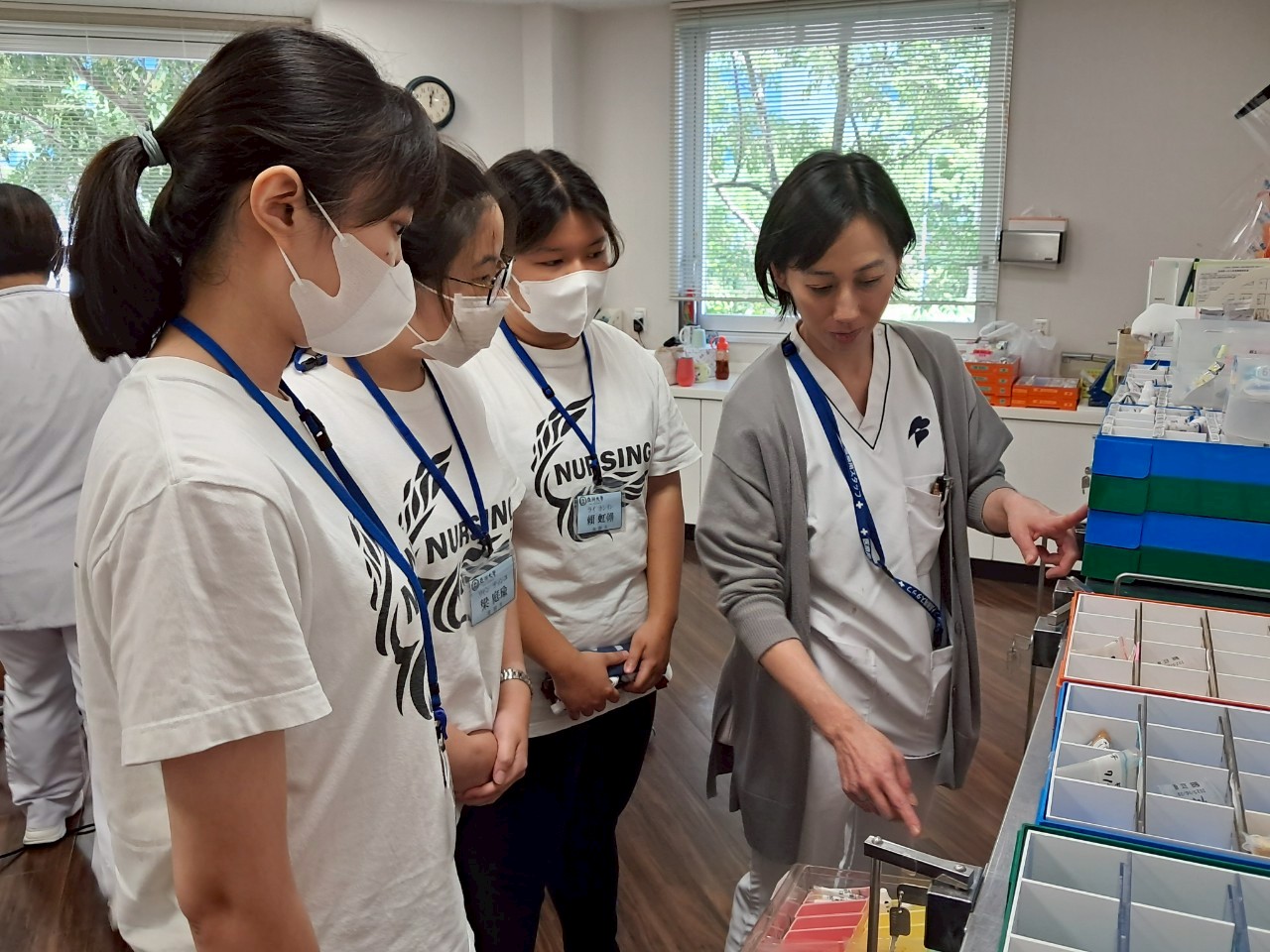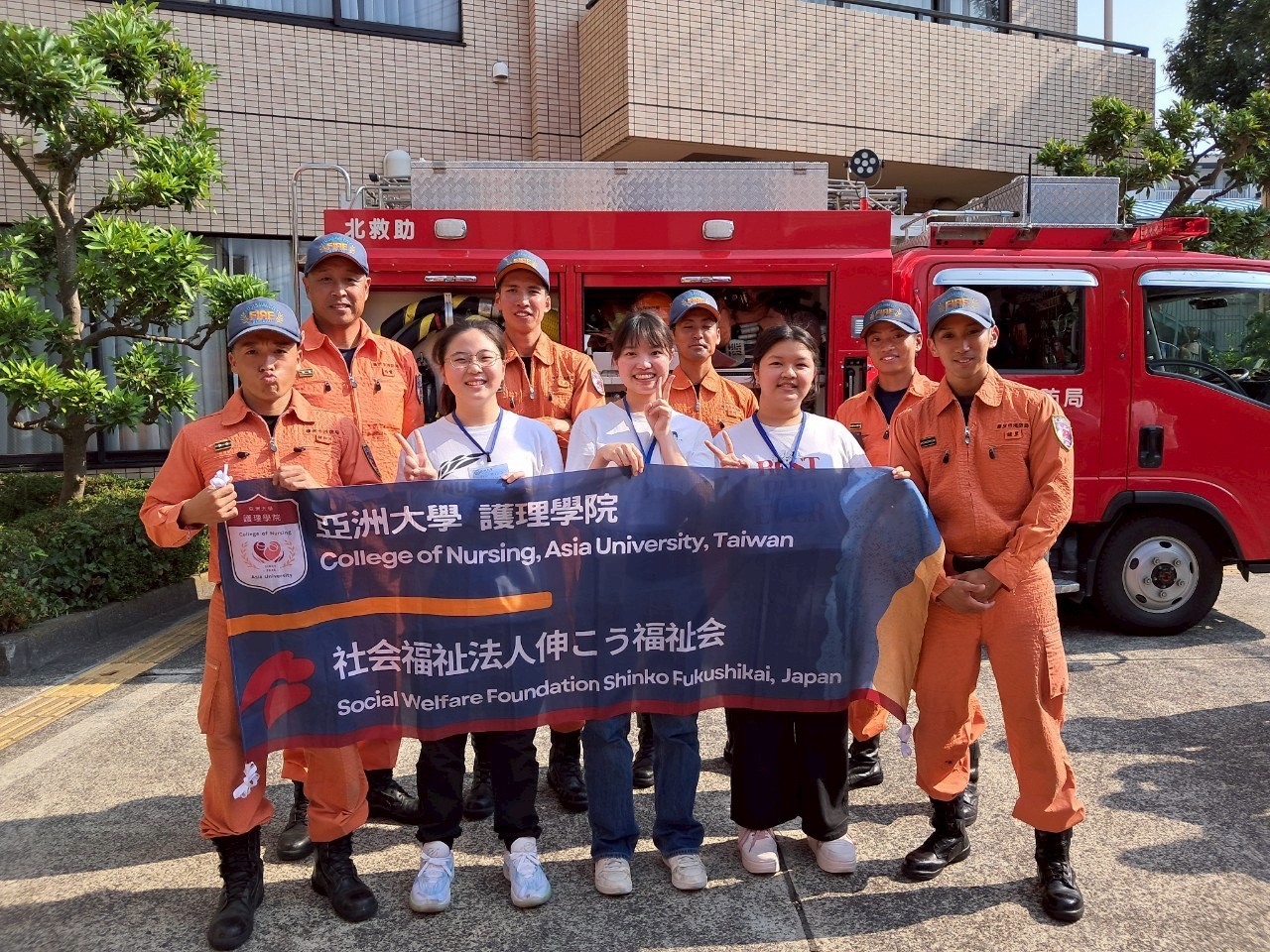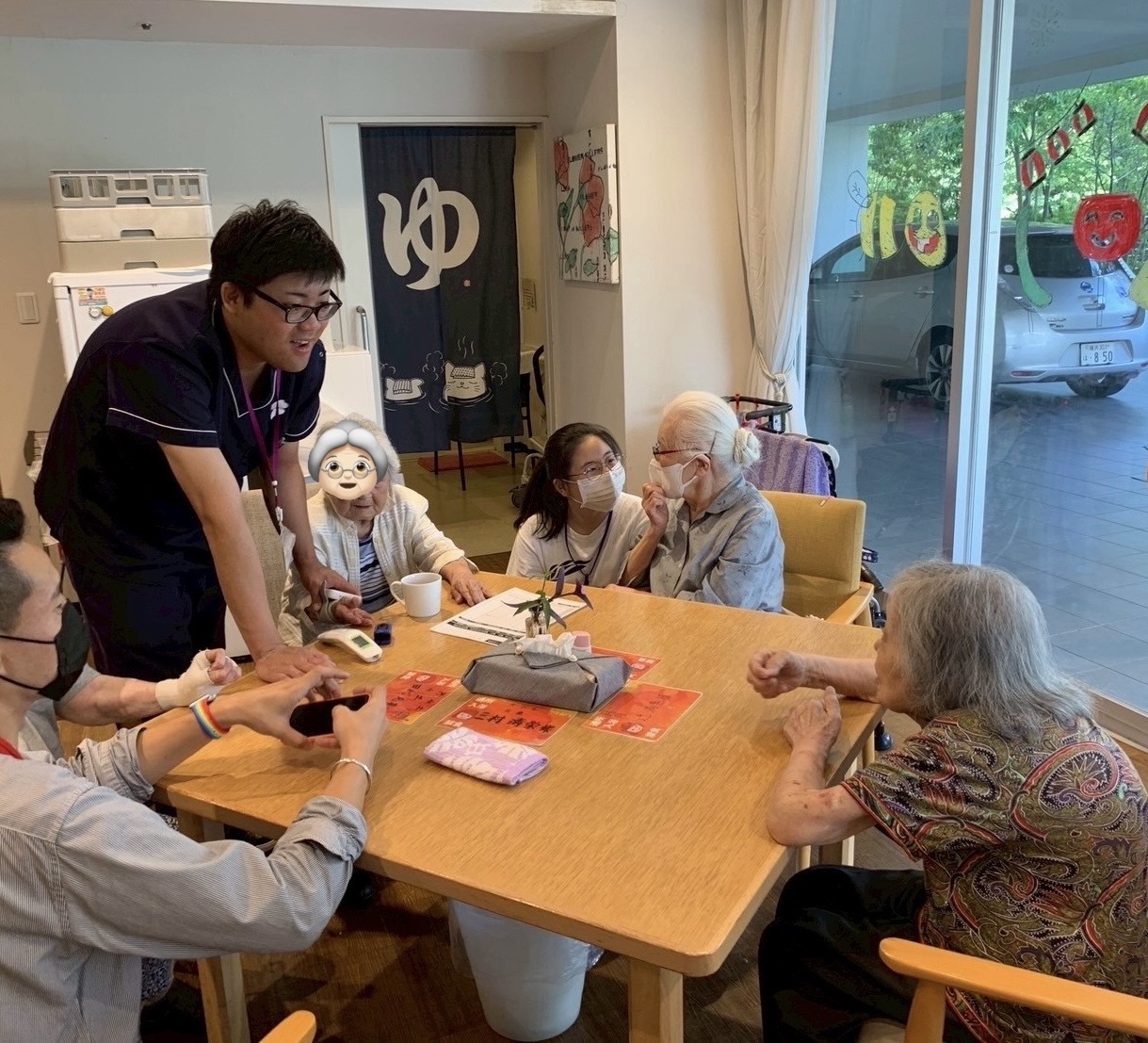

Three students from the Department of Nursing at Asia University (AU) received funding from the Ministry of Education’s “Dreams Abroad” program and, under the guidance of Assistant Professor Nai-Huan Hsiung, participated in a one-month international internship this summer at Shinkei Fukushikai, a social welfare organization in Kanagawa Prefecture, Japan. This year, Professor Hua-Shan Wu, Dean of the College of Nursing, personally led the team to visit the partner institution. Marking the tenth year of collaboration, this partnership reflects Asia University’s long-term commitment to advancing international nursing education. Dean Wu highlighted that through coursework and on-site visits, students gained firsthand experience with Japan’s advanced long-term care models while broadening their global healthcare perspective, cultivating cross-cultural communication skills, and enhancing international mobility. In the future, students can apply these valuable experiences in clinical practice in Taiwan, leverage technology to provide more efficient services, and potentially pursue overseas nursing licensure for international employment opportunities.
The Ministry of Education’s “Dreams Abroad” program aims to cultivate students’ capacity for cross-border learning, enhance professional expertise, and boost international competitiveness. The selection of Asia University nursing students for this program demonstrates their high proficiency in language, professional learning attitude, and cross-cultural readiness. With this support, students gained hands-on experience at a renowned Japanese long-term care institution, exemplifying Taiwan’s commitment to aligning nursing education with international standards.
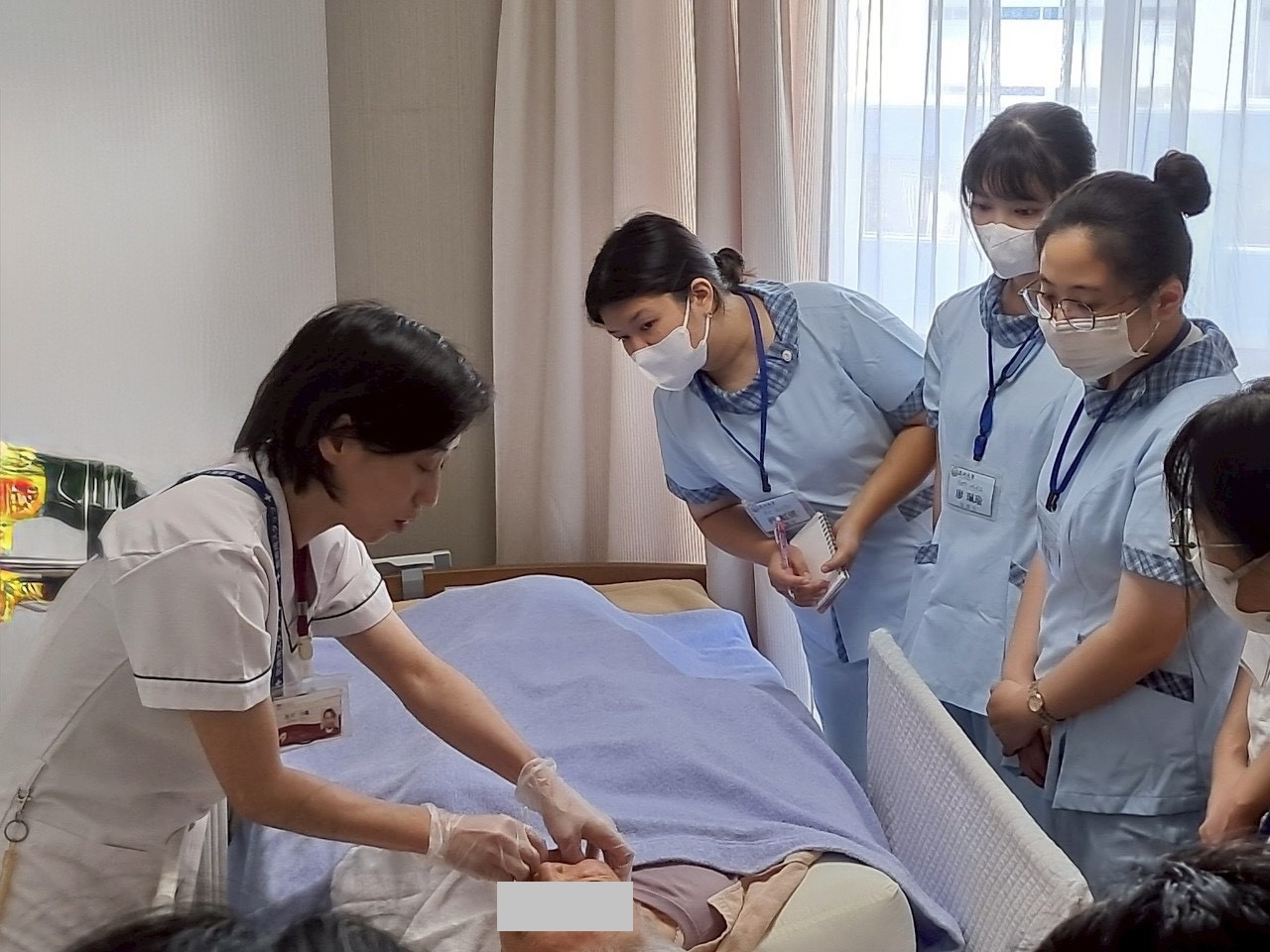
During the internship, students observed various types of long-term care facilities in Japan, including special nursing homes for residents requiring long-term care, daytime care centers, and small-scale multi-functional centers offering flexible services. They learned how care programs are designed to meet the diverse needs of elderly individuals and their families, gaining insights from both policy and practical perspectives. This immersive experience allowed them to step beyond the classroom into a professional international setting.
Student Lai shared that Japanese long-term care emphasizes a “person-centered” approach, adapting care to each individual’s lifestyle and emotional state. She noted that the hallmark features of Japanese care include fostering warm interpersonal interactions, providing personalized services that respect individual differences, and close collaboration within interdisciplinary teams to improve the quality of life for the elderly. She said, “These thoughtful arrangements allow older adults to truly feel dignity and joy in daily life, not just to be cared for.”
Student Liao added that Japan places great importance on “independence” and “dignity.” She recalled instances where staff assisted elders in completing tasks themselves, such as opening a bottle, rather than doing it for them, preserving autonomy. She also shared her experience in end-of-life care, noting how meticulous arrangements honor the dignity of residents in their final stages of life. She said, “At that moment, I truly understood that care is not just about technical skills—it is about respecting the value of human life.”
The team also visited the Shonan Robot Care Center, where they experienced innovative technologies including companion robots for interaction with residents, smart wheelchairs with safety features, and advanced devices using infrared sensors to analyze posture and assist in rehabilitation. Student Liang remarked that these technological applications demonstrated how future long-term care can integrate innovation to provide more efficient and diverse services. She noted, “With Taiwan facing low birth rates and an aging population, technology-assisted care will be an indispensable support.”
This internship not only broadened students’ international perspectives but also encouraged them to reflect on Taiwan’s long-term care challenges. They observed that Japan’s policy support, professional staffing, and technology adoption offer valuable lessons, while recognizing that these insights must be adapted to local contexts to truly benefit society. Asia University’s Department of Nursing continues to prioritize international exchange, maintaining strong partnerships with Japan while expanding networks across Europe, North America, and Southeast Asia. Through curriculum design, short-term internships, and long-term exchange programs, students develop in multicultural contexts, laying a solid foundation for their future clinical practice and international careers.